Hair ideas cluster by season for practical reasons, not just trend cycles. Humidity, sunlight, indoor heating, and the occasions on your calendar all genuinely change how a cut or color behaves and how much upkeep it needs.
Here is what tends to shift each season, fall through summer, and which color and cut choices work with those conditions rather than against them. None of these are rules. They are patterns worth knowing so you can decide which ones actually apply to your hair, your climate, and your calendar.
| Season | Color tends toward | Cuts tend toward | Watch out for |
|---|---|---|---|
| Fall | Deeper, warmer tones: copper, auburn, rich brown | Fresh layers or a shape reset after summer growth | Booking early before the fall rush at salons |
| Winter | Deepest tones of the year, lower sun fade risk | Holiday-ready styling, healthy trims before a fresh year | Dry indoor air pulling moisture from hair |
| Spring | Easing lighter again, subtle highlights | Polished updos for prom and early weddings | Committing to a big change too close to an event |
| Summer | Sun-warmed, lighter tones or low-maintenance color | Shorter, wash-and-go friendly shapes | Sun and chlorine speeding up color fade |
Why hair ideas change by season
A few environmental factors explain most of the seasonal shift. Humidity affects how much your natural texture shows up day to day: higher moisture brings out more curl, wave, and frizz, while drier air leaves hair flatter and, in very dry winter conditions, more prone to static. Sun exposure lightens and warms hair color over time and speeds up how quickly toners and vivid colors fade, since both sit more exposed to UV light when you spend more time outdoors.
If you live somewhere with dramatic seasonal humidity swings, this effect is more noticeable than in a fairly stable climate. Someone whose climate shifts sharply from a dry winter to a humid summer will likely notice a bigger difference in how the same haircut performs from one season to the next.
Indoor heating in winter and air conditioning in summer both pull moisture out of hair, part of why many people notice more dryness at both temperature extremes rather than only in winter. None of this means you have to change your hair every few months, but knowing what is working against you seasonally makes it easier to choose a color or cut that holds up with less fighting.
Your calendar matters too, separate from the weather. Holiday parties, proms, weddings, and other seasonal events cluster at predictable points in the year, and a lot of what gets called a "seasonal hairstyle" is really planning a look around one of these occasions rather than the weather changing your hair on its own.
Fall hair ideas
Fall is one of the most popular seasons for a color change, largely because warm, rich tones suit the shift in light as the season moves away from summer's brighter, more direct sun. Deeper coppers, warm browns, and rich reds are popular fall choices, partly because they photograph well against the season's own color palette. See our full guide to fall hair colors for specific shade ideas, including looks like a fire ombre.
On the cut side, fall is a common time to add layers or a fresh shape after a summer of growing hair out, since cooler weather makes it easier to justify more frequent salon visits than the busier travel months of summer. Our guide to fall haircuts covers popular shapes for the season in more detail.
Winter hair ideas
Winter hair ideas split into two broad categories: color choices that work well with dry, indoor-heated air, and cuts and styles built around holiday occasions. Deeper, richer tones tend to be lower maintenance in winter, since there is less sun exposure to fade them and less humidity to fight for styling.
Our guide to winter hair colors covers the shades that suit the season best. If you have a specific event on the calendar, our guide to holiday party hairstyles covers styling ideas for that occasion, and if you are thinking about a fresh start heading into January, our guide to a new year haircut is worth a look too.
Winter's dry indoor air is worth planning around regardless of color or cut. Static and dryness both tend to increase, so many people find their styling routine needs a bit more moisture and a little less heat during the coldest months. If you wear hats and scarves regularly through winter, mention that to your stylist too. Constant friction and pressure from headwear can flatten certain shapes more than others, so a cut with a bit more built-in texture can hold its style better than a very sleek, precise line that depends on staying untouched all day.
Spring hair ideas
Spring often functions as a transition season, both in light and in occasions. As days get longer and brighter, many people ease toward lighter colors again after a deeper winter shade, often through subtle highlights rather than a full-color change. Our guide to spring hair colors covers this transition in more detail.
Spring is also a busy season for events, from proms to the earlier weddings of the year, which shifts some hair ideas toward polished updos and styled looks rather than purely low-maintenance choices. If prom season applies to you, our guide to prom hairstyles is worth a look specifically for that occasion.
Cuts in spring often follow the same logic as color: a gradual shift rather than a dramatic one. Many people use spring to add face-framing layers or soften a blunt line from winter, rather than making a length change as dramatic as a full seasonal transformation.
Summer hair ideas
Summer brings the most environmental pressure of any season on both color and cut, mainly from sun exposure and humidity acting together. Sun naturally lightens and warms hair color over time, which is why many people either lean into that effect with sun-friendly highlights or plan for more frequent toning to keep an established color from drifting warmer than intended. Humidity also brings out more natural texture, so styles that work with your natural wave or curl pattern, rather than fighting it with heat styling, hold up better through the season.
Shorter, lower-maintenance cuts are also common in summer for practical reasons: more time outdoors, more swimming, and less patience for lengthy styling routines in the heat. If a summer wedding is on your calendar, our guide to wedding guest hairstyles covers polished options that still hold up in warm weather.
How to plan a color change around the seasons
If you are timing a color change around a season or an event, build in more lead time than you think you need, especially for a significant lightening. Going noticeably lighter than your natural color usually needs more than one appointment, plus a toner afterward to settle into the shade you actually want, and that toner typically needs redoing every 4 to 8 weeks as it fades.
If you are choosing between a full-color change and a lower-commitment option like balayage, keep in mind that balayage regrowth blends more gradually and can stretch to every 3 to 5 months between refreshes, while a full-head permanent color shows a visible root line sooner and typically needs a touch-up every 4 to 6 weeks. Planning around those timelines, rather than just the calendar date of an event, produces a better result on the day that actually matters.
Planning haircuts around seasonal occasions
Cuts benefit from similar lead-time thinking, especially before a specific event like a holiday party, a prom, or a wedding. A completely new cut right before a big occasion carries some risk, since you have no time to adjust if it needs a tweak. Booking a practice run a few weeks ahead, then a quick refresh closer to the actual date, produces more reliable results than a single appointment the day before.
This applies to smaller occasions too. If you are marking Valentine's Day with a new style, or ringing in January with a fresh cut for the new year, the same logic holds: give any noticeable change enough time to settle and enough time for a follow-up trim if something is not quite right.
It also helps to separate the color decision from the cut decision when planning around a single date. Finalizing a brand new color and a brand new cut in the same appointment, right before a major event, leaves very little room to adjust either one if something does not turn out as pictured. Spacing the two out, even by a couple of weeks, gives you a chance to live with one change before adding the next.
Seasonal hair mistakes worth avoiding
Most seasonal regret comes from a handful of repeat mistakes rather than bad taste.
- Going dark for winter over previously lightened hair, with no filler. Depositing a deep brown straight onto bleached hair tends to turn muddy or green, because the lightened hair has no warm base left to hold the new shade. A filler, a warm base applied before the darker color, prevents that.
- Booking a big lightening service the same week as the event. Lifting more than a level or two past your natural color usually takes bleach, often across more than one session, plus a toner afterward to settle the shade. Start that process a season early rather than a week early.
- Treating a summer pastel as a set and forget color. Vivid and pastel shades fade fastest of any color, often noticeably within 2 to 6 weeks, so decide up front how often you are willing to refresh it, rather than finding out after the first few washes.
- Cutting short in June without picturing September. A summer cut grows through fall, so ask your stylist what the shape looks like 2 to 3 inches longer, not just how it looks on the day you leave the salon.
Preview any seasonal idea on your own face
Reading about seasonal shades and cuts is one thing. Seeing how a specific one actually looks on you is another. HairGlam lets you take a photo or choose one from your library, apply any hairstyle or hair color from a catalog of 299 looks, and see a realistic preview on your own photo in a few seconds. It is a low-risk way to compare a few seasonal ideas side by side before you book anything. The app is free to download, with a couple of free try-ons before HairGlam Pro unlocks unlimited use.
See it on your own face in HairGlam
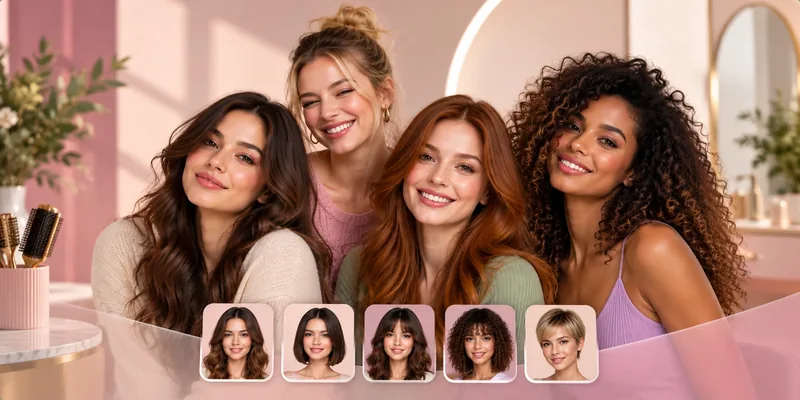
See it on your own face in three taps
- Add one selfie. Front on, even light, hair off your face. No account.
- Pick a cut, a color or a makeup look from 299 in the catalog.
- See it in seconds on your own face, then save it for your stylist.
12 free looks: 4 haircuts, 4 hair colors and 4 makeup looks. No paywall in between, no account.
Questions people ask
Do I really need to change my hair with the seasons?
What hair color works best for summer?
Why does my hair color fade faster in summer?
How far ahead should I plan a seasonal color change?
Read next
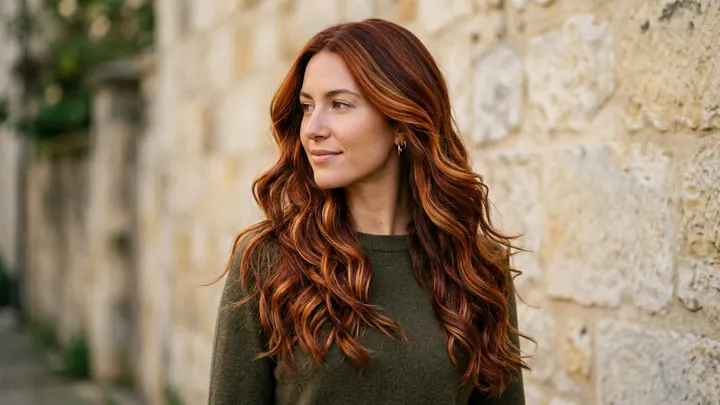
Fall hair colors: 14 warm shades to try before the light changes

Fall haircuts: 12 cuts that work with layers and hats
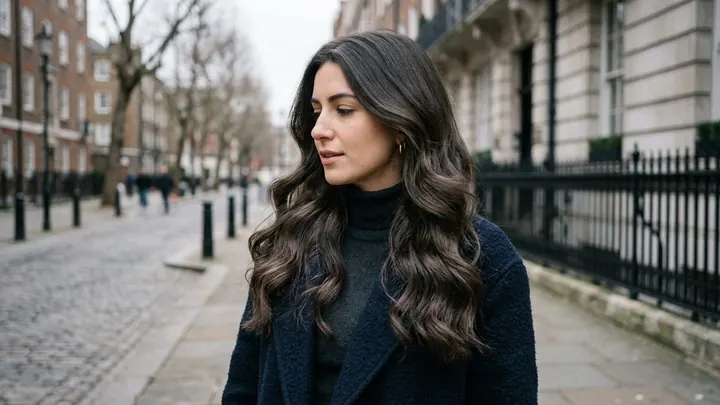
Winter hair colors: cool tones and deep shades for low light
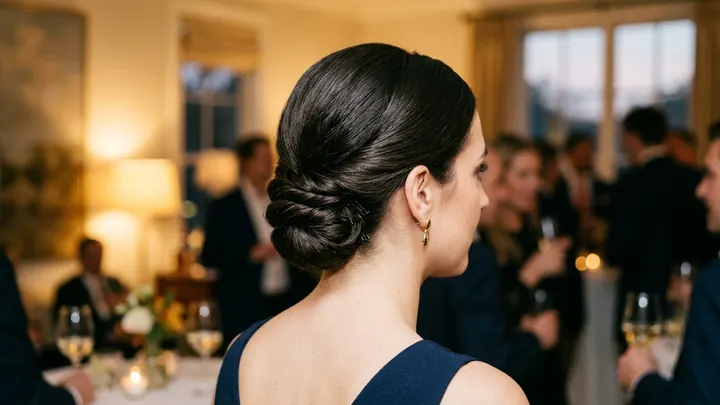
Holiday party hairstyles: 12 looks that last through a late night
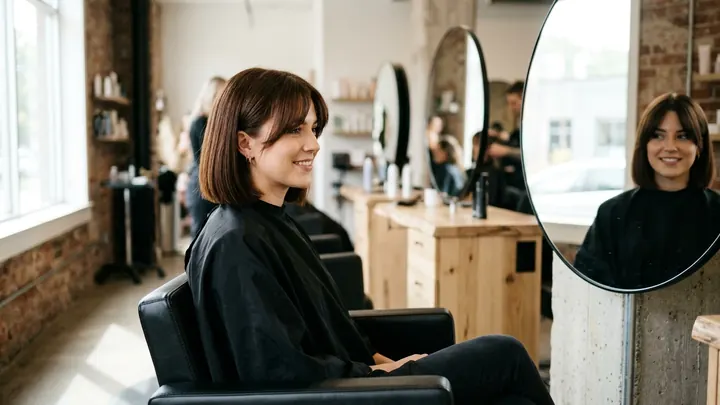
New year haircut ideas: 10 changes worth making in January
Printable helpers for this guide: haircut consultation checklist, face shape guide, hair color swatch planner.