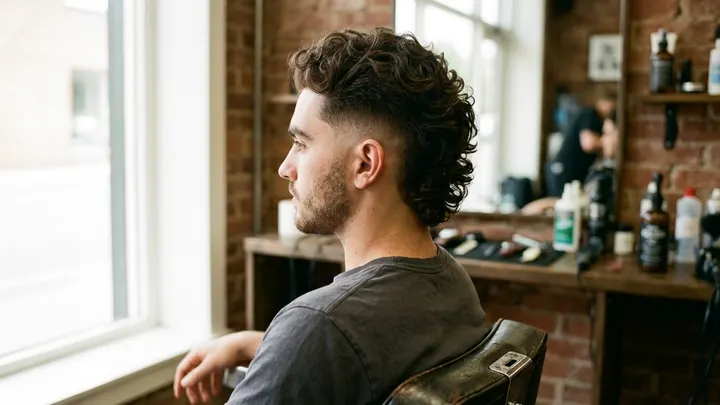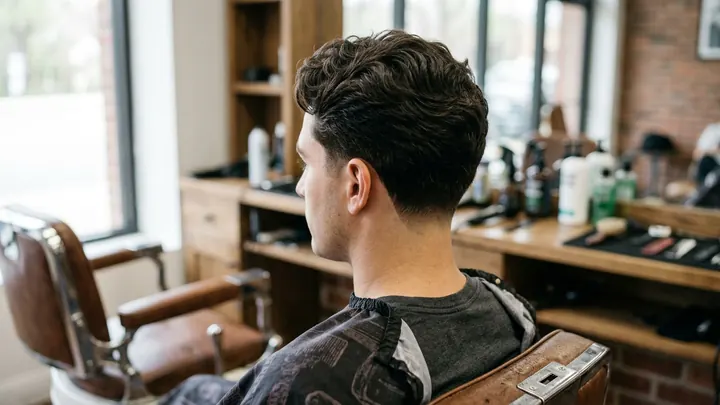
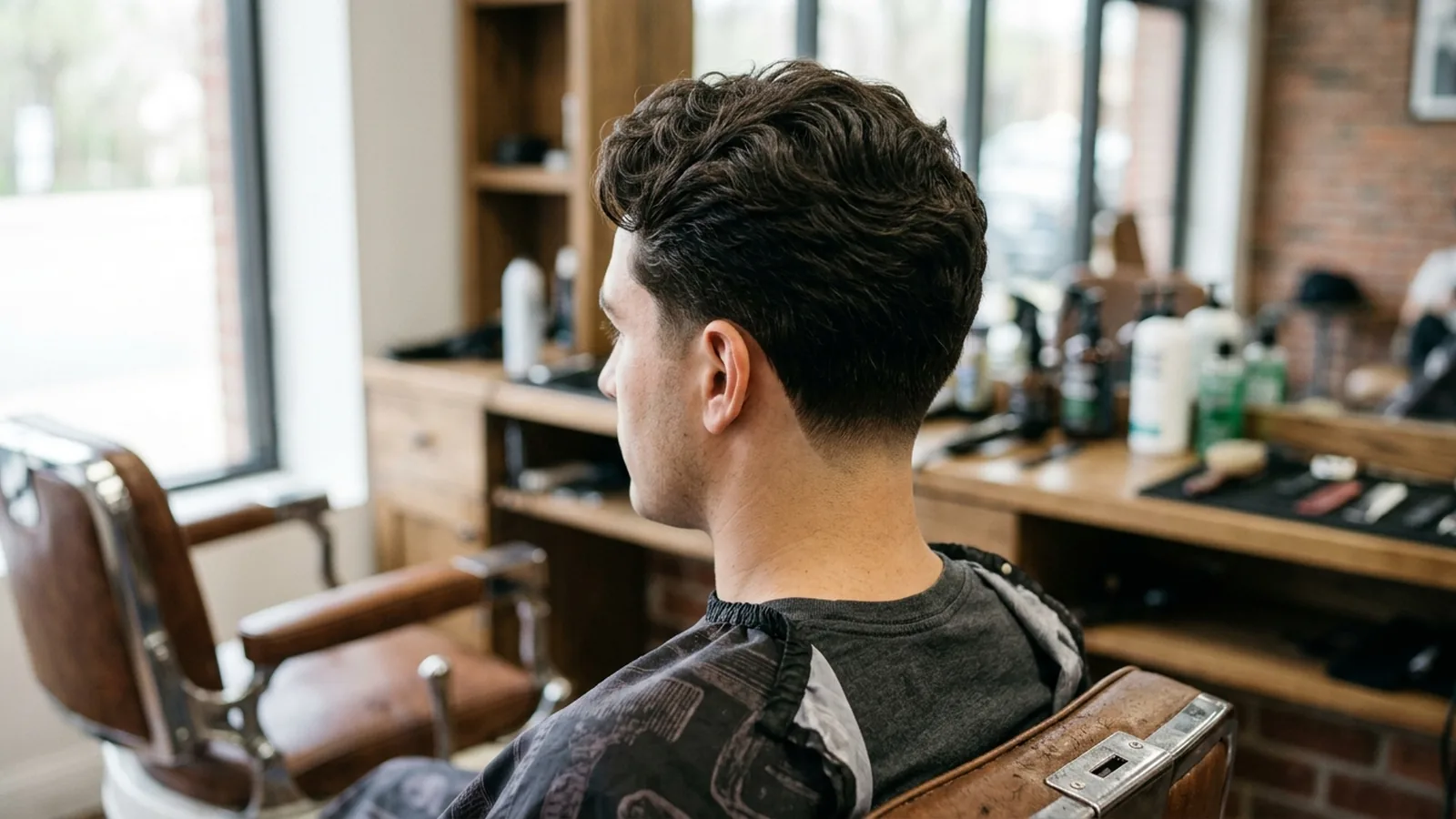
A low taper fade is one of the most requested cuts of the last few years, and also one of the easiest to get wrong at the barbershop if you cannot describe exactly where "low" should start. Here is what the term actually means, who it tends to suit, and how to ask for it clearly. It is one of many entries in our full guide to men's haircut types, pulled out here since it comes up so often.
Taper vs. fade
These two words get used interchangeably, but they describe different things. A taper shortens hair gradually around the ears and neckline without necessarily reaching bare skin. A fade goes further: the sides and back get gradually shorter toward the neck and blend all the way into skin at the bottom. A low taper fade combines the two, using a soft taper through most of the transition and finishing in a true fade only near the very bottom.
Low, mid, and high, explained by landmark
The words low, mid, and high describe where the fade starts on the head, and landmarks make the difference much clearer than the words alone.
| Fade | Starts | Effect |
|---|---|---|
| Low | Near the bottom of the head, roughly level with the top of the ears or the hairline at the neck | Most of the length above stays intact |
| Mid | Around the middle of the side of the head, roughly at ear level | Takes more length off the sides overall |
| High | Near the temple or above | Most length removed, highest contrast with the top |
A low taper fade sits at the gentlest end of that range, part of why it suits more hair types and more workplaces than a higher, more dramatic fade.
Who tends to suit a low taper fade
Because a low fade keeps more length and volume through the sides, it works well with thicker or curlier hair that some men prefer not to cut too short overall. It also suits anyone who wants a cleaner look at the neckline and ears without a dramatic, high-contrast change, one of the more common choices for workplaces with conservative grooming expectations. Pair it with a textured crop on top for more visible texture, or keep the top longer and softer if you want the fade itself to stay subtle.
If you want more contrast than a low fade gives you, our guide to the high razor fade covers that end of the spectrum, and our guide to buzz cut guard numbers explains how the numbered guards used during a fade relate to the finished length.
What to tell your barber
If you have had a fade that ended up higher than you wanted before, mention that specifically, and point to roughly where on your own head you want the fade to begin. That gives a new barber a clear reference.
See the height on your own head first
Where exactly a fade starts changes how the whole cut reads, and that is easier to judge on your own photo than from a generic reference photo of someone else's head shape. Apply a low taper fade to your own photo in HairGlam and see how the height and contrast actually look on you before your next appointment.
See it on your own face in HairGlam
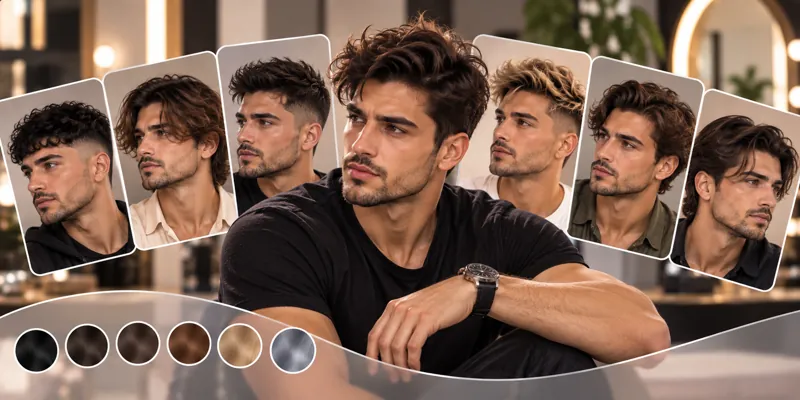
Try low taper fade on your own photo
- Add one selfie. Front on, even light, hair off your face. No account.
- Tap low taper fade in Hair Studio, or any of the other 298 looks.
- See it in seconds on your own face, then save it for your stylist.
12 free looks: 4 haircuts, 4 hair colors and 4 makeup looks. No paywall in between, no account.
Questions people ask
What is a low taper fade?
What is the difference between a taper and a fade?
Does a low taper fade suit thick hair?
What should I tell my barber for a low taper fade?
Read next
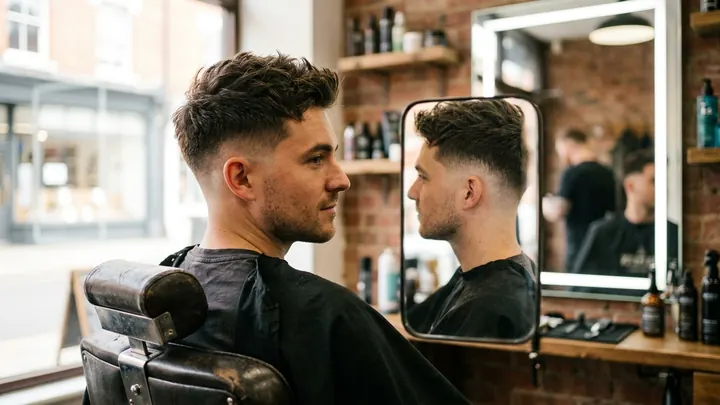
Men's haircut types explained: 25 cuts and what to ask for
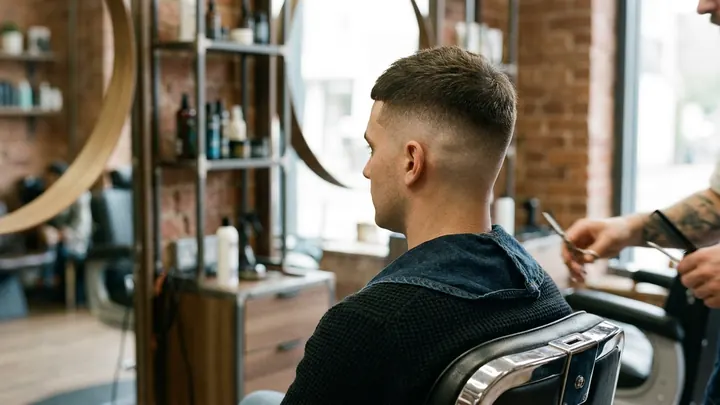
High razor fade: the sharpest fade and its maintenance cost
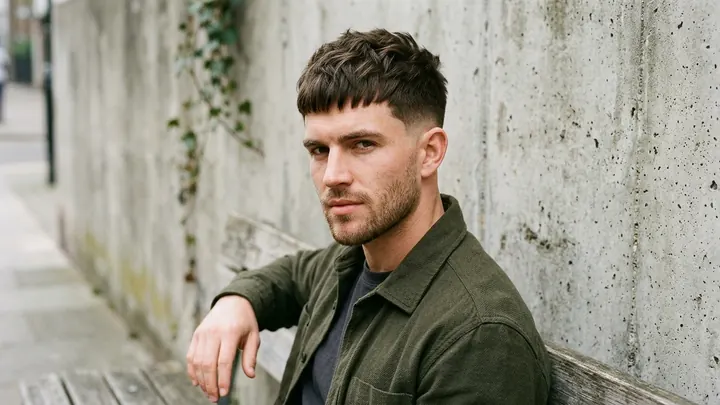
Textured crop haircut: the low effort cut for fine or thick hair
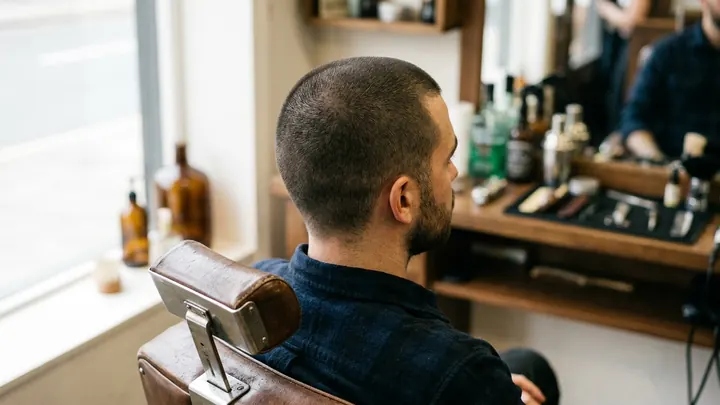
Buzz cut guard numbers: what each length looks like

Modern mullet: how the 2020s version differs and who can pull it off