

Bangs are one of the biggest changes you can make without cutting any length off the back, which is exactly why so many people hesitate before getting them. Knowing the types of bangs, and which ones actually suit your face shape, takes most of the risk out of the decision.
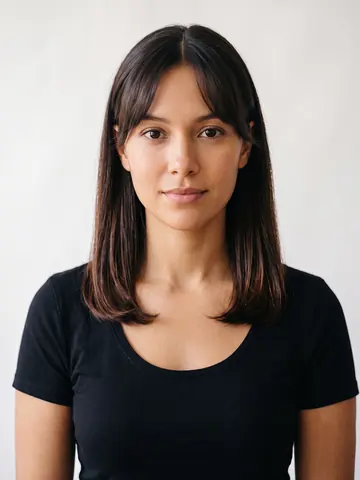 Curtain Bangs Mid
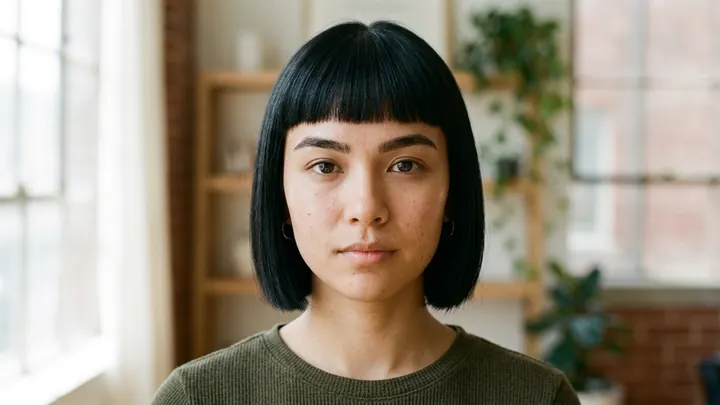
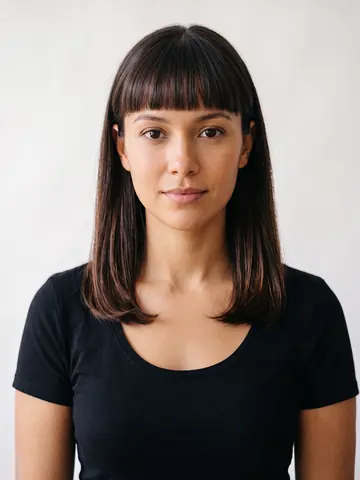 Blunt Bangs
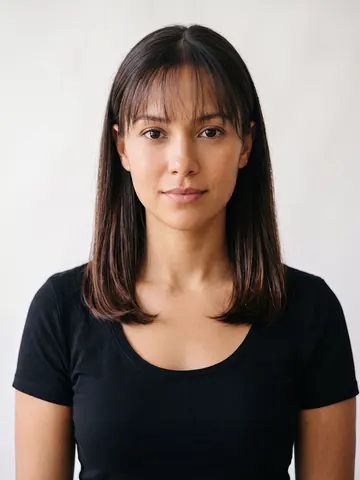 Wispy Bangs
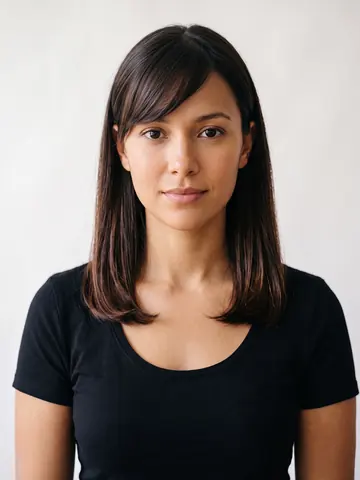 Side Swept Bangs
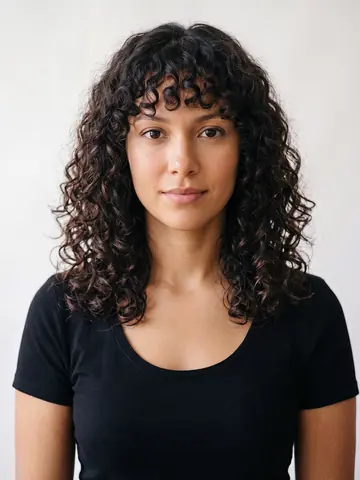 Curly Bangs
Here are 11 types of bangs, what makes each one different, and which face shapes each style tends to flatter, based on the geometry involved. Still deciding whether bangs are right for you at all? Our guide on whether you should get bangs is worth reading first.
Before you pick a style, think honestly about three things: how much daily styling time you have, whether your hairline and any cowlicks near the front will cooperate, and how committed you are to trims every few weeks. Bangs are a high-upkeep feature for how little hair they cover, and the style that suits your face shape on paper is not always the one that fits your routine.
| Style | Coverage | Suits | Upkeep |
|---|---|---|---|
| Curtain | Parted, swept to both sides | Round, most shapes | Low, grows out gracefully |
| Blunt | Full, straight edge | Long, oblong | High, needs frequent trims |
| Wispy | Thin, forehead shows through | Most shapes | Medium |
| Side-swept | Diagonal, one side | Square, diamond | Medium |
| Birkin | Long, brow-grazing | Oval, heart | Medium |
| Micro | Very short, full coverage | Oval | High |
| Curly | Follows curl pattern | Most shapes | Medium |
| Air | Very thin, sparse | Round | Low to medium |
| Bottleneck | Center-parted, tapered | Round, square | Medium |
| Choppy | Textured, uneven edge | Most shapes | Medium |
| Curved | Follows brow curve | Square, heart | Medium |
11 types of bangs and the face shapes they flatter
Every style adds a different line across your forehead, and that line interacts with your face shape the same way any other haircut does. Heavier, straighter bangs add horizontal weight, which helps a long face and can overwhelm a round one. Softer, angled bangs add a diagonal line, which tends to work on rounder faces.
Curtain bangs
Curtain bangs part in the middle and sweep to each side, framing the face rather than covering the forehead. The diagonal line is especially flattering on round faces, since it adds length without a hard horizontal edge.
They are also the easiest style to grow out, since the part and sweep are already built in. Read our full guide on curtain bangs for round faces, or see the look on the curtain bangs catalog page.
Blunt bangs
Blunt bangs are cut straight across, usually landing at or just above the brow, with a hard, clean edge. They add strong horizontal weight, a good match for long or oblong faces, and a riskier choice for round faces, where that same line can shorten the face further. Our guide to blunt bangs covers this in depth, and you can see the look on the blunt bangs catalog page.
Wispy bangs
Wispy bangs are thinned out so some forehead shows through instead of being fully covered. That lighter coverage makes them one of the most universally flattering styles, since they add a soft line without much weight in any direction. See the look on the wispy bangs catalog page.
Side-swept bangs
Side-swept bangs fall diagonally to one side rather than straight down or evenly parted. The diagonal line works well for square and diamond faces, since it softens angular features without adding a full horizontal edge. See an example on the side-swept bangs catalog page.
Birkin bangs
Birkin bangs are long, brow-grazing, and slightly parted rather than cut into a hard line. They sit between curtain and blunt bangs, with enough length to push to the side on low-maintenance days but enough presence to read as a defined style.
They suit oval and heart-shaped faces particularly well, since the soft parting avoids adding too much weight to an already narrower chin. Because the length sits so close to the brow, this style needs closer attention to trims than a curtain style.
Micro bangs
Micro bangs are cut very short, well above the eyebrows, the boldest and most visible style on this list. They work best on oval faces with a proportionally shorter forehead, since the short length draws attention to the upper face.
Curly bangs
Curly bangs are cut and styled to follow your hair's natural curl pattern instead of being blow-dried straight. Because curls shrink upward as they dry, curly bangs are usually cut noticeably longer than the intended finished length. They can work on almost any face shape, since the line they create depends on curl pattern and shrinkage. See the look on the curly bangs catalog page.
Air bangs
Air bangs are very thin and sparse, cut short and swept lightly to the side so they almost float above the brow rather than fully cover it. They add the least weight of any style here, a gentle option for round faces that want a soft line without much horizontal coverage.
Bottleneck bangs
Bottleneck bangs are parted in the center and cut longest right at the part, tapering shorter toward the outer edges, similar in shape to the neck of a bottle. The center part and gradual taper add a diagonal line on both sides of the face, which suits rounder and squarer shapes much like curtain bangs. They work especially well if you want curtain-bang softness with a more structured, deliberate shape.
Choppy bangs
Choppy bangs are cut with a razor or heavily texturized shears for a deliberately uneven, textured edge rather than a clean line. The broken-up ends soften whatever length and shape they are cut into, a flexible add-on to several other styles here, including blunt and curtain bangs. They also hide the in-between growth stage a little better than a clean edge, since some unevenness is already built into the design.
Curved bangs
Curved bangs follow the natural curve of the brow bone instead of running in a straight line. That soft arc reads less severe than blunt bangs while still adding meaningful coverage, a middle-ground option for square and heart-shaped faces. Many stylists suggest this shape to first-time bangs wearers because it forgives small cutting errors better than a perfectly straight blunt line.
How bangs behave with different hair textures
The type of bangs you choose interacts with your hair's natural texture just as much as your face shape, and that interaction changes both the look and the daily work it takes.
- Straight hair holds a crisp, blunt edge well and shows off hard lines clearly, which is why blunt and micro bangs are often shown on straight-haired models. The tradeoff: straight bangs show every bit of regrowth and any unevenness right away.
- Wavy hair softens whatever line you cut into it within a day or two, a natural fit for wispy, curved, and choppy bangs, since they are designed to look a little undone anyway.
- Curly hair needs bangs cut while dry, or cut noticeably longer than the target length, because curls shrink upward significantly as they dry and can end up several inches shorter than they were cut.
- Coily hair shrinks the most of any texture, so bangs often need extra length built in, and many people opt for a looser, fuller shape rather than a precise blunt line for exactly this reason.
Density adds another layer on top of texture. Thick hair can carry a fuller, more blunt style without looking heavy, while fine hair often reads better with a wispier, thinner cut so the ends do not look sparse. If your hair is fine and you want the visual weight of blunt bangs, ask your stylist about keeping the length just slightly longer than a true blunt line, which reads similarly full without emphasizing how little hair is actually there.
How to care for bangs day to day
Whichever type you choose, bangs need more frequent attention than the rest of your haircut. Plan on a trim every 3 to 4 weeks to keep the shape, even if you stretch the rest of your cut to every couple of months. Many salons will do a quick bang trim between full appointments for a lower cost than a full cut.
If you decide bangs are not for you later on, growing them out typically takes 6 to 12 months to reach chin length, depending on how fast your hair grows. Curtain and side-swept styles tend to be the easiest to live with during that stage, since they are already designed to sweep away from your face rather than hang straight down.
Clip-in accessories, a few bobby pins, or a light styling cream can carry you through the awkward middle stretch without a fresh cut. Most people find the two-to-four-month mark the hardest, once the bangs are too long to sit as bangs but too short to fully blend with the rest of the hair.
Mistakes to avoid when choosing bangs
A few recurring mistakes account for most bangs regret, worth checking against before your appointment.
- Cutting them too short on the first try. Bangs almost always look shorter once dry and styled than they did wet in the chair, since hair pulls up as it dries, especially with any natural wave or curl. Ask your stylist to cut slightly longer than you think you want the first time.
- Ignoring a cowlick at the hairline. A cowlick near the front can push bangs in a direction you did not plan for, no matter how carefully the shape is cut. Point it out before the first cut, not after.
- Choosing a style based on someone else's forehead. A style that looks great on a friend or a photo may depend on a forehead height, hairline shape, or hair density you do not have. Use the table above as a starting point, then adjust for your own proportions.
- Skipping the trims. Bangs grow out of shape faster than any other part of a haircut. Skipping even one scheduled trim can mean weeks of pinning them back or fighting them with product.
- Not checking with glasses on, if you wear them. Bangs sit close to your eyebrows and frames at the same time, and a style that looks great without glasses can sit differently once frames are added.
See bangs on your own face before you cut them
Bangs are one of the hardest changes to picture accurately in advance, since your forehead, hairline, and the way your hair falls are unique to you. HairGlam lets you take a photo or choose one from your library, apply any bangs style from the catalog to your own photo, and see a realistic preview in a few seconds, without touching your actual hair. The app is free to download, with a couple of free try-ons before HairGlam Pro unlocks unlimited use.
See it on your own face in HairGlam
See it on your own face in three taps
- Add one selfie. Front on, even light, hair off your face. No account.
- Pick a cut, a color or a makeup look from 299 in the catalog.
- See it in seconds on your own face, then save it for your stylist.
12 free looks: 4 haircuts, 4 hair colors and 4 makeup looks. No paywall in between, no account.
Questions people ask
What type of bangs should I get?
Do bangs suit every face shape?
How often do bangs need to be trimmed?
What are the easiest bangs to grow out?
Read next
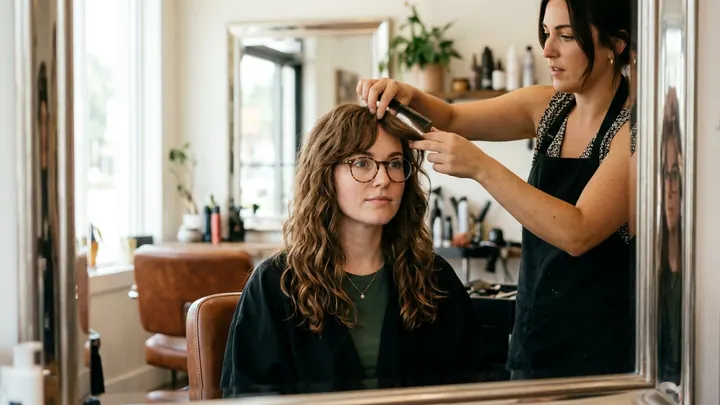
Should I get bangs? Seven honest questions to ask first

Curtain bangs on a round face: why they work and how to cut them
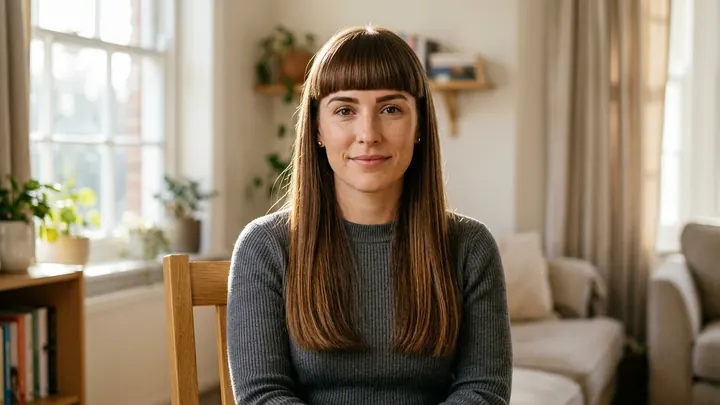
Blunt bangs: who they suit, who they do not, and the upkeep

Wispy bangs: the low commitment fringe, explained
Microbangs, or micro bangs: the very short fringe explained
Printable helpers for this guide: haircut consultation checklist, face shape guide, hair color swatch planner.