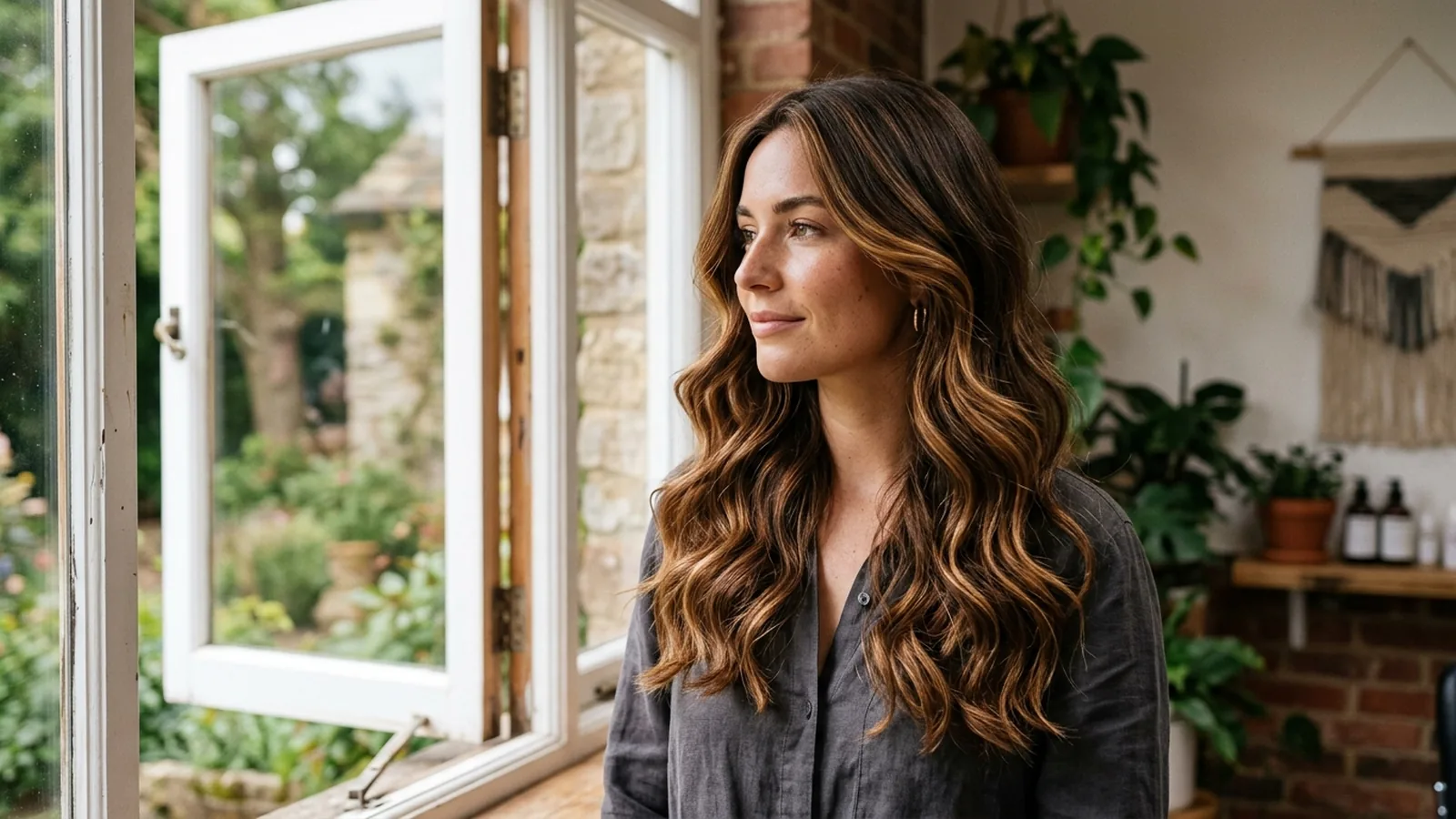
Caramel highlights are a warm, golden brown to light brown color, usually placed as foiled or hand-painted sections over a darker brunette base. The name covers a range rather than one exact shade, so placement and level end up mattering as much as the color itself. Here is the tone, where to place it, and what upkeep to expect.

See any cut or color on your own photo. Free to download, iPhone and iPad, iOS 15.1 or later.
Try the look: Caramel Highlights on your own photo
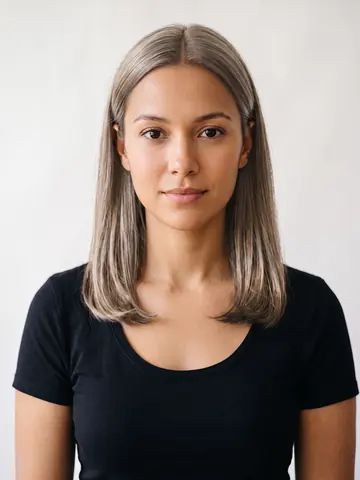 Ash Blonde
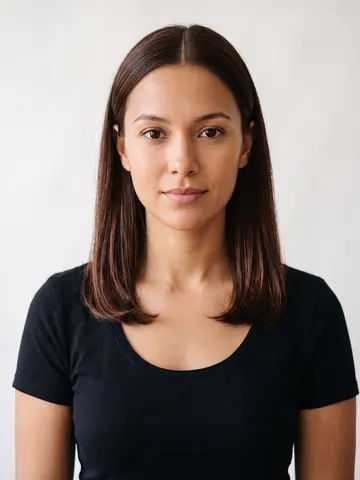 Chocolate Brown
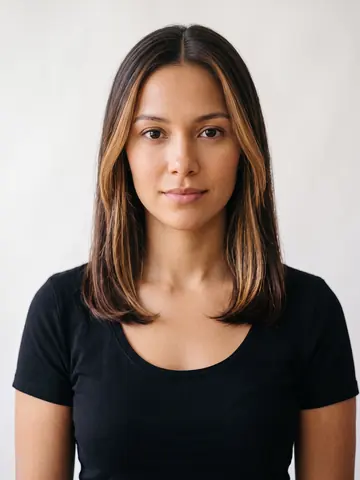 Caramel Money Piece
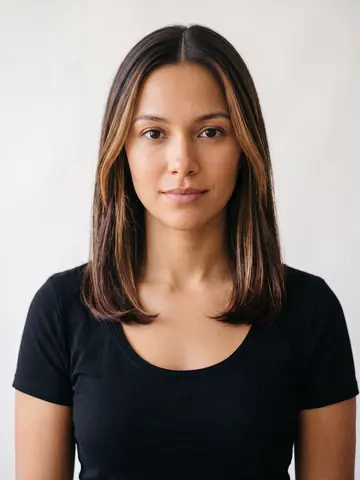 Caramel Face Framing Highlights
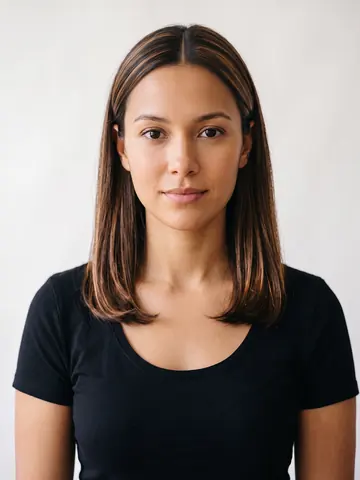 Caramel Highlights
What level and tone counts as caramel
Caramel highlights typically sit around level 7 to 8 on the lightness scale, a warm golden blonde to light brown, usually over a base around level 4 to 6. The warmth comes from golden and copper undertones rather than ash or cool tones, which separates caramel from a similarly light but cooler beige or ash blonde highlight. Because the color leans warm, it looks richest against a brunette base with some depth to contrast against, rather than a very light base where the difference barely shows.
Placement options
How the color is placed changes the whole effect more than the shade itself does.
- Face framing: a few lightened pieces around the hairline brighten the face without touching the rest of the head, a lower commitment than full highlights.
- Money piece: two bold, bright strips right at the front hairline, worn either subtly blended or intentionally more obvious against darker hair underneath.
- Chunky highlights: thicker sections placed further apart for more visible contrast, a bolder look than the fine, woven highlights of a classic foil job.
- All-over highlights: sections woven through the whole head for a more uniform warm effect from root area to ends.
Foils versus a hand-painted technique
Caramel highlights can be applied either with traditional foils or with a hand-painted, balayage-style technique, and the choice affects both the look and the regrowth line. Foils give a more even, consistent lift across every section, which suits an all-over highlight or a chunky placement where uniform contrast is the goal. A hand-painted approach places more color toward the ends and less near the root, giving a softer, more gradual transition as it grows out and usually stretching the time between salon visits a little longer.
Common mistakes to avoid
A few placement choices disappoint people more than others. Highlights placed too close together across the whole head can end up reading as an all-over lighter color rather than distinct caramel pieces, which defeats the point of choosing a highlight over a single-process color. Skipping a toner after lightening is another common issue, since freshly lifted hair often carries more yellow or brassy warmth than the intended caramel tone until it is toned to the right shade.
Caramel on different base colors
On a chocolate brown base, caramel highlights create clear, warm contrast and are one of the more efficient placements, since the base is dark enough that the lighter caramel pieces read clearly without needing to lift a huge amount. On a lighter starting brown, the contrast is softer and can look more like natural sun-lightened pieces than a deliberate highlight. Hair previously colored a cool or ash tone may need a warm-toned filler applied first, since lifting straight to caramel over cool color can pull an unwanted greenish cast rather than a clean warm one.
Money piece and face-framing versions
Want the effect without committing to a full head of foils. A caramel money piece or caramel face framing placement brightens just the pieces around your face. Both are also easier to blend as they grow out, since the color is concentrated in a smaller, more visible area a stylist can touch up without redoing the whole head.
How caramel highlights compare to other warm tones
Caramel sits between a true blonde highlight and a deeper copper or orange tone. Choosing the right level and asking your stylist to tone down any brassiness after lightening keeps caramel from tipping into a more orange read.
Upkeep and how often to refresh
Caramel highlights are usually placed with a balayage or foil technique, and either way, a full refresh is typically needed every 3 to 5 months as new growth becomes visible at the root. Between full sessions, a gloss or toner appointment every 4 to 8 weeks keeps the caramel tone from fading toward a duller, brassier yellow, since warm colors like caramel lose their richness faster than cooler tones. A purple or blue-based shampoo used sparingly at home can also slow that fade between salon visits, though it will not replace a proper toner appointment.
Which skin tones suit caramel highlights
Caramel's golden, warm base flatters warm and neutral skin tones most easily, since the color echoes rather than fights the warmth already in the skin. A cooler undertone can still work with caramel, especially placed away from the face rather than as a money piece, but it is worth testing first since a warm color right at the hairline sits closest to your complexion.
What to bring to the consultation
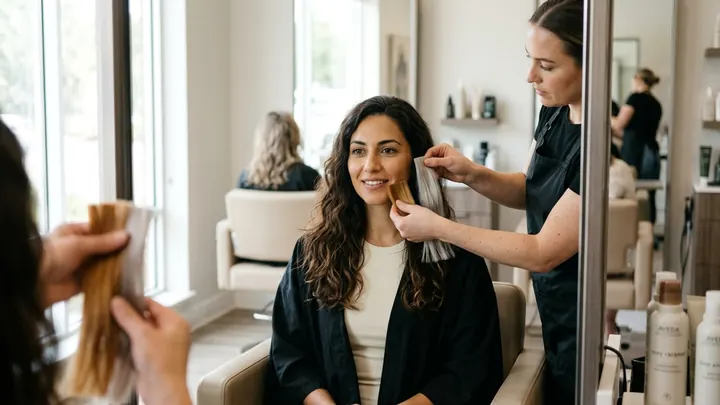
A reference photo helps, but tell your colorist the base level you are starting from and whether your hair has been previously colored, since that changes how many sessions caramel highlights need to look right. Previously bleached or heavily lightened hair can take caramel differently than virgin hair, sometimes needing a filler first to avoid a muddy or uneven result.
See it on your own face before you commit
Warm highlights change how a color reads against your skin more than most people expect. HairGlam lets you take a photo, or choose one from your library, then apply a hair color to that photo so you can see how caramel highlights look against your own skin tone and base color before booking the appointment. It is free to download for iPhone and iPad, with a small free allowance of hair color try-ons before HairGlam Pro is needed for unlimited use.
See caramel highlights on your own photo in HairGlam
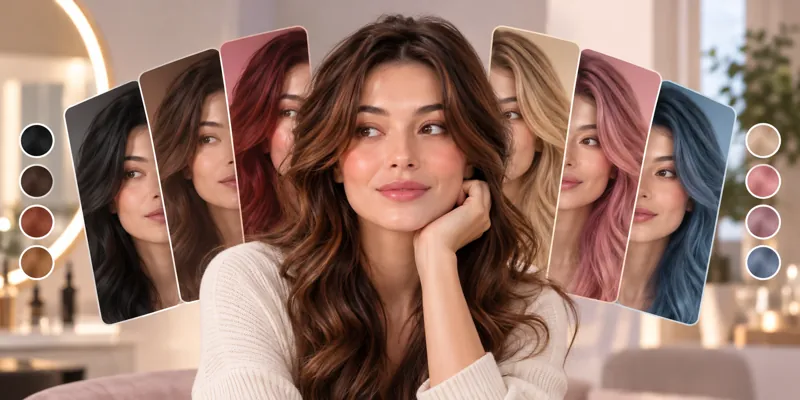
Try caramel highlights on your own photo
- Add one selfie. Front on, even light, hair off your face. No account.
- Tap caramel highlights in Hair Colors, or any of the other 298 looks.
- See it in seconds on your own face, then save it for your stylist.
Free hairstyle, hair color and makeup looks to start. No account needed.
Sources
- Want to achieve your dream shade? Hair levels and tones can help, Wella
- Coloring and perming tips for healthier-looking hair, American Academy of Dermatology
- Hair Dyes, U.S. Food and Drug Administration