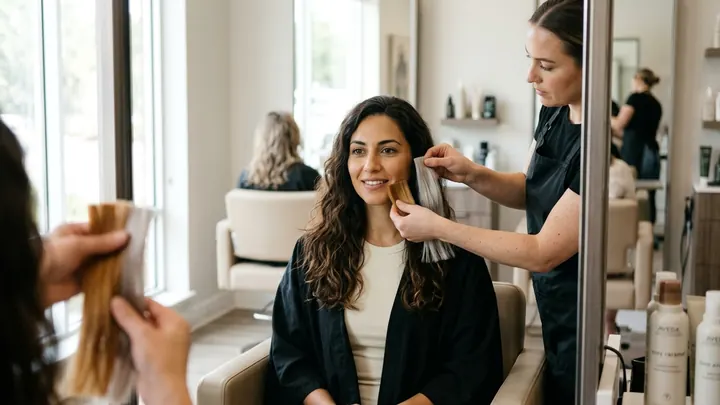
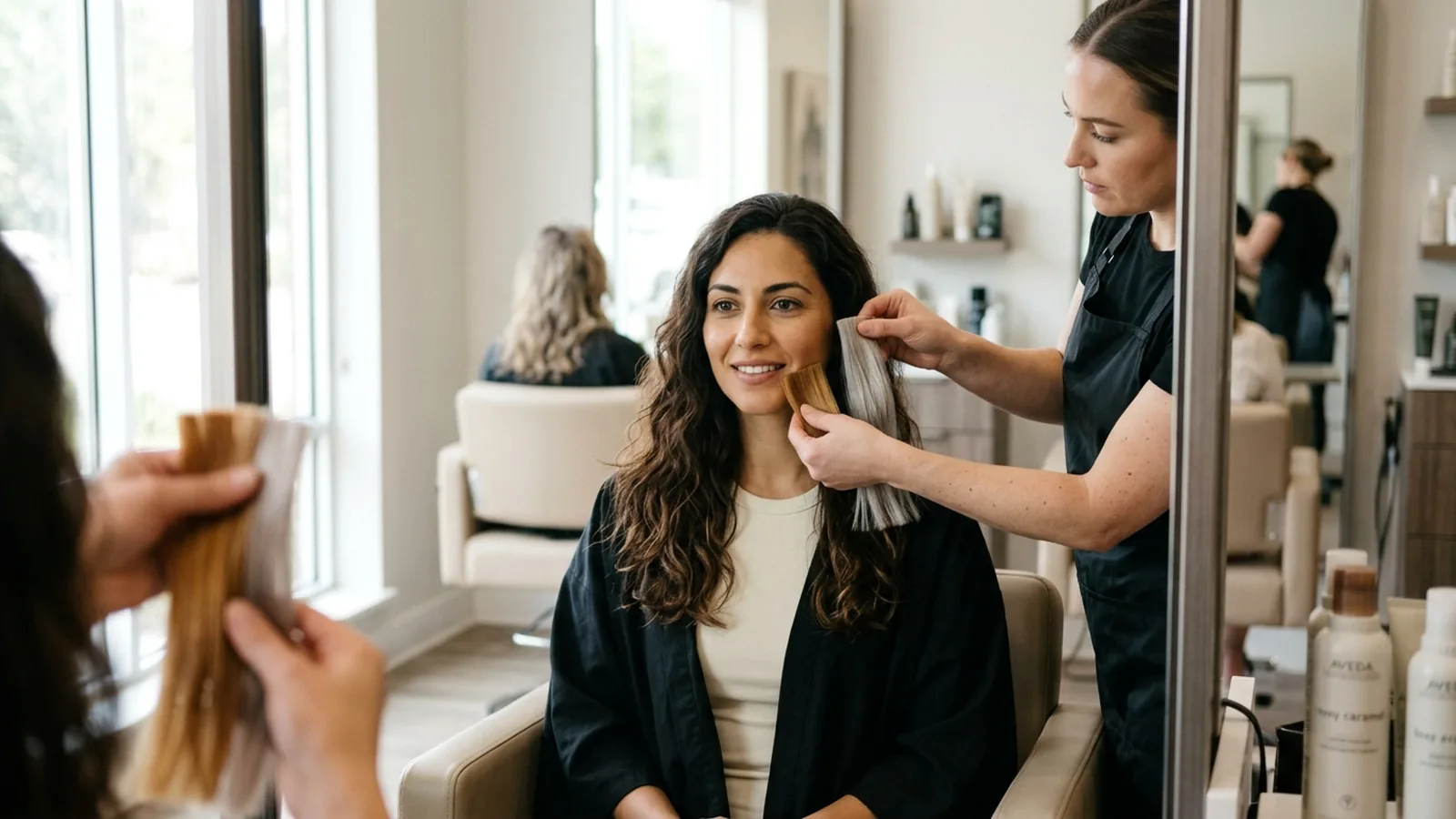
How to pick a hair color for your skin tone starts in a place most color charts skip: your undertone, not how light or dark your skin is. Two people with very different skin depths can share the same undertone. Two people with similar skin depth can have completely different undertones. Get this one detail right and you have explained most of the gap between a color that looks like it belongs on you and one that looks slightly off no matter how well it is applied.
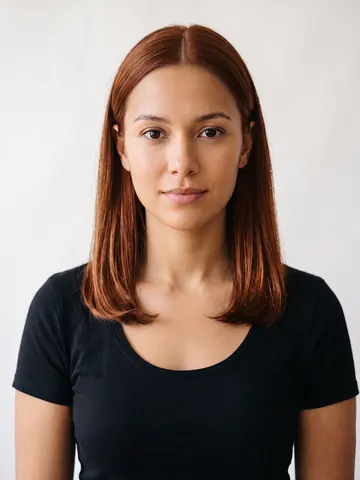 Copper Red
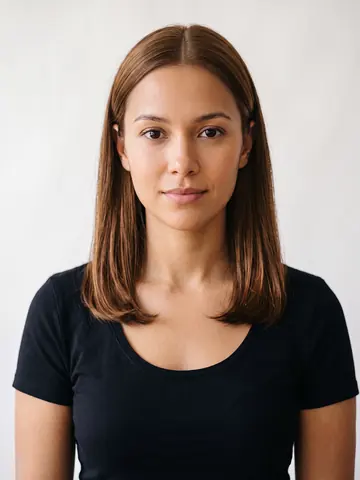 Honey Brown
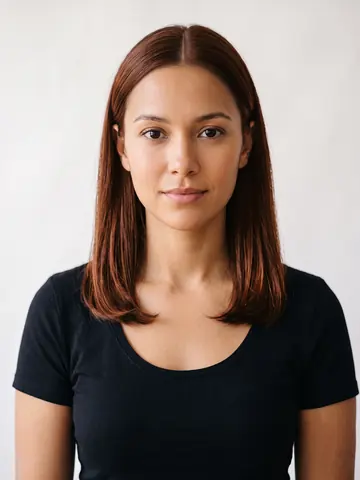 Dark Copper
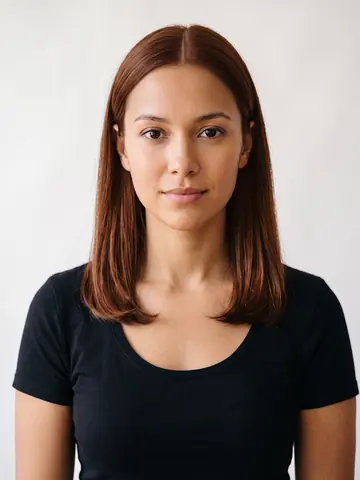 Auburn
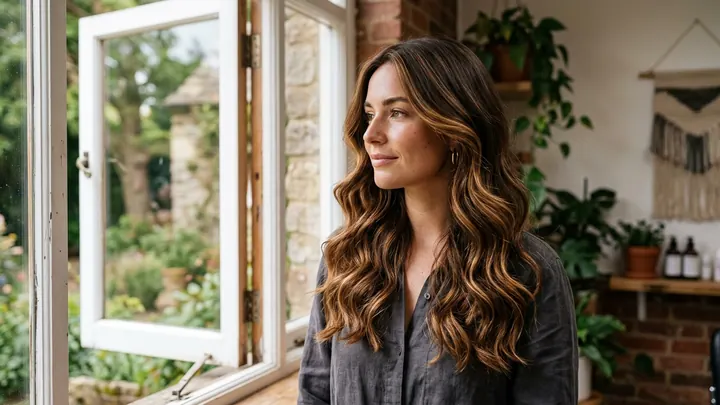
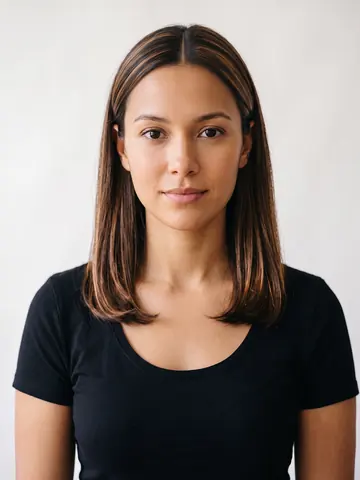 Caramel Highlights
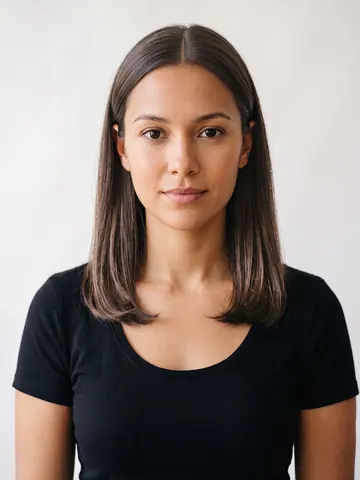 Ash Brown
Here is how to test your undertone, which shade families work for warm, cool, and neutral undertones, and how depth changes the equation. This is not about finding one correct answer. It is about narrowing a huge range of shades down to the handful that will genuinely work with the skin you already have.
How to find your skin undertone
Your skin undertone is the warmth or coolness underneath your skin, independent of how light or dark it is. It stays fairly constant, unlike your surface tone, which shifts with a tan or the season.
The most reliable test uses your veins, checked in daylight rather than under artificial light. Look at the inside of your wrist:
- Greenish veins usually point to a warm undertone.
- Blue or purple veins usually point to a cool undertone.
- A mix, or veins hard to call either way, usually point to a neutral undertone.
A second check uses jewelry. Gold flattering more than silver leans warm. Silver flattering more leans cool. Both looking about equally good is another sign of neutral.
| Test | Warm undertone | Cool undertone | Neutral undertone |
|---|---|---|---|
| Vein color in daylight | Greenish | Blue or purple | Hard to tell, or a mix |
| Jewelry | Gold flatters more | Silver flatters more | Both look about equal |
| Reaction to pure white fabric | Skin looks slightly golden or yellow against it | Skin looks slightly pink or rosy against it | Skin looks fairly balanced against it |
Run all three checks rather than relying on one, since lighting, recent sun exposure, and even the color of your shirt can throw off a single test. If two or three checks agree, trust the result.
Best hair colors for a warm undertone
Warm undertones look most balanced in colors that echo the warmth already in the skin, rather than fighting it. Golden, copper, and red-based shades work well here.
Honey brown pairs warmth with an easy-to-wear medium depth. Dark copper or copper red bring more vibrant warmth. See these on the honey brown and dark copper catalog pages. Auburn and chestnut also sit well on warm undertones, since both carry enough warmth to complement rather than clash.
Want to keep your base color and add warmth gradually? Caramel highlights woven through brown hair are a lower-commitment way to lean into a warm undertone without a full-color change.
Very ash or very cool platinum shades need the most care on a warm undertone, since they can create a visible contrast between your hair's coolness and your skin's warmth. That does not put them off limits, but they usually need more careful toning to avoid looking disconnected from your natural coloring.
Best hair colors for a cool undertone
Cool undertones look most balanced in ash-based or blue-based shades that cancel out warmth rather than add to it. Ash brown and ash blonde are two of the most reliable choices, since both are formulated to mute golden or orange tones.
See examples on the ash brown and ash blonde catalog pages. Platinum blonde is another strong option, since the lightest, most neutral blonde reads clean rather than washed out against cool skin, though almost everyone needs bleach to reach it.
Very warm, coppery, or golden shades are worth testing carefully on a cool undertone, since they can create a stronger contrast against the skin. A skilled colorist can adjust warmth level within almost any shade family, so if you want a warmer shade anyway, ask about a more muted, less saturated version. It bridges the gap better than a fully saturated warm tone.
Best hair colors for a neutral undertone
A mixed undertone test result usually means neutral, and neutral has the most flexibility of the three. Both warm and cool shades sit reasonably well, so the decision often comes down to depth, personal preference, and maintenance rather than undertone alone.
Chestnut is a particularly versatile shade for neutral undertones, since it carries just enough warmth to look rich without leaning hard into either camp. From there, lean slightly warmer or slightly cooler depending on your preference, without worrying much about clashing.
Because neutral undertones support both directions, this is also the easiest undertone to change your mind with over time. Go warmer this year and want cooler next year? A neutral undertone generally supports both without a dramatically different approach to toning.
What about olive skin?
Olive skin confuses people because it often carries a green cast alongside either a warm or neutral undertone, a slightly different combination than the classic warm, cool, or neutral categories. Most olive skin leans neutral to warm rather than cool.
Warm to neutral browns like chestnut work well on olive skin, as do deeper coppers that add richness without fighting the green undertone. Very orange or brassy tones can emphasize the green cast rather than balancing it, and very ashy, cool-toned shades can do the same from the other direction, so test before committing if your skin has a strong green cast.
The same three tests from earlier, veins, jewelry, and the white fabric check, still apply to olive skin. The main difference: olive skin can genuinely sit closer to the middle of the warm and neutral range than most skin tones, which is why treating it as its own case produces better results than forcing it into a strict warm or cool box.
How depth changes the equation
Undertone tells you which direction to lean, warm or cool. Depth, meaning how light or dark the color is on the 1 to 10 scale, is a separate decision. Going noticeably lighter than your natural hair color, more than a level or two, generally requires bleach, regardless of undertone.
A few honest realities about depth are worth knowing before you book. Lightening dark hair often pulls warm or brassy first, which is why a toner is usually needed afterward to reach a cooler, more neutral result, and that toner typically needs redoing every 4 to 8 weeks as it fades. Going darker over previously lightened hair usually needs a filler first, so the result does not turn muddy or greenish. Any full-head color shows a visible root line as it grows out, typically needing a touch-up every 4 to 6 weeks, while balayage blends that regrowth more gradually and can stretch to every 3 to 5 months between refreshes.
For a deeper look at depth across brown shades specifically, see our brunette hair color chart, and for lighter, pale-skin-specific pairings, see our guide to hair colors for pale skin. If brown is your starting point, our guide to shades of brown hair breaks the full range down further.
If undertone and color season are a genuine interest of yours beyond hair, our sister app Tone & Fit analyzes your skin's undertone and recommends a broader color palette for clothing and makeup too.
Undertone changes less than you think
Tans, seasons, and even the occasional self-tanner shift your skin's surface color, which can make your undertone feel like it moved when it really has not. A summer tan sits on top of a warm or cool undertone without changing which one you have underneath. This is part of why the vein and jewelry checks work reliably year round: they read the underlying tone, not the current surface shade.
That stability is useful when you are choosing a color you plan to keep for a while. A shade chosen for your winter skin tone should still work in summer, since the undertone driving that choice has not actually changed. If a color that flattered you in January suddenly looks off in July, the more likely explanation is fading, not a shift in your skin.
When to bring in a professional
Testing at home gets you close, but a colorist trained to read undertone and formulate toner can catch things a self-test misses, especially if you are going more than a level or two lighter or darker, or mixing a color change with a big cut. Bring your undertone conclusion to the consultation rather than starting from zero. Saying "I test as a cool undertone and want to try ash brown" gives a colorist a much faster, more useful starting point than a single reference photo alone.
Common mistakes when you pick hair color for skin tone
A handful of recurring mistakes explain most cases of a hair color that never quite settles in.
- Testing undertone under warm indoor lighting. Incandescent bulbs and warm-toned lamps can make a cool undertone look warm and confuse the whole process. Test near a window in daylight, or step outside.
- Chasing a color you saw on someone with a different undertone. The same shade name looks completely different depending on the wearer's undertone, since colorists adjust the formula for each client even when the shade name on the bottle stays the same.
- Skipping the toner after lightening. Freshly lightened hair almost always pulls warm or brassy at first. A toner shifts it toward the cooler, finished shade shown in inspiration photos, and skipping it is a common reason a lightened color looks unfinished.
- Not accounting for fading. Toners fade within weeks, and vivid colors fade within a couple of months. A shade that looked perfectly balanced on day one can drift warmer or cooler as it fades, so plan on refreshing it rather than expecting it to stay static.
- Going too many levels lighter or darker at once. A dramatic depth change shifts how your undertone reads against your new hair color. A gradual change over a couple of appointments is often safer than one drastic jump.
Test any shade on your own photo first
Undertone testing narrows the field, but the only way to really know how a shade looks is to see it on you. HairGlam lets you take a photo or choose one from your library, apply any of 138 hairstyles, 125 hair colors and 36 makeup looks to it, and see a realistic preview on your own skin tone and lighting in a few seconds. Try a few shades from the direction your undertone suggests, side by side, before you book anything.
See it on your own face in HairGlam
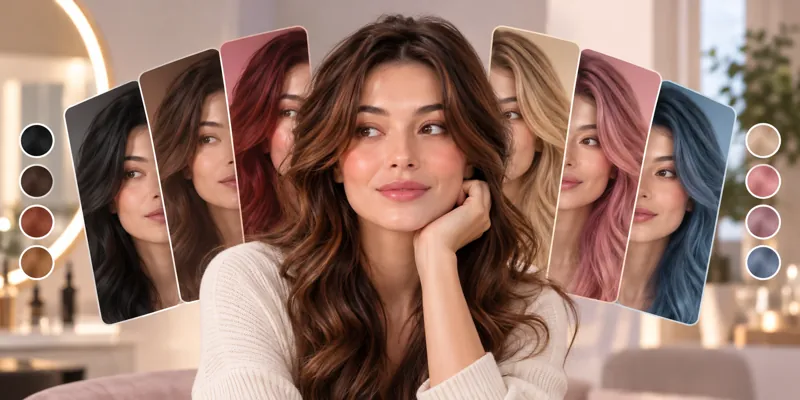
See it on your own face in three taps
- Add one selfie. Front on, even light, hair off your face. No account.
- Pick a cut, a color or a makeup look from 299 in the catalog.
- See it in seconds on your own face, then save it for your stylist.
12 free looks: 4 haircuts, 4 hair colors and 4 makeup looks. No paywall in between, no account.
Questions people ask
How do I know if I have a warm or cool undertone?
What is the best hair color for a warm skin tone?
What is the best hair color for a cool skin tone?
What hair color works best for olive skin?
Read next

Hair colors for pale skin: 15 shades sorted by undertone
Shades of brown hair: a level by level chart with names
Brunette hair color chart: espresso to light brown, explained
Peekaboo hair colors: 17 hidden panels and where to put them
Caramel highlights on brown hair: placement, tone and upkeep
Printable helpers for this guide: haircut consultation checklist, face shape guide, hair color swatch planner.