

Protective hairstyles give your natural hair a real break from daily heat, brushing, and manipulation, while you still wear a style you like. Braids, twists, and locs are the three main families, each with its own range of sizes, install times, and maintenance needs.
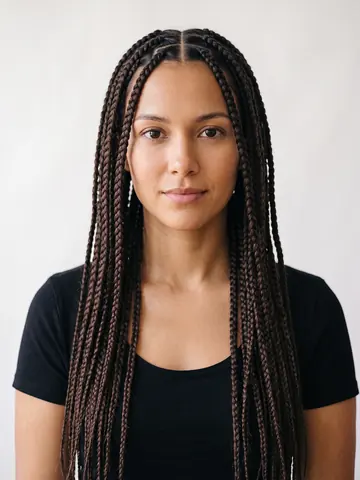 Box Braids
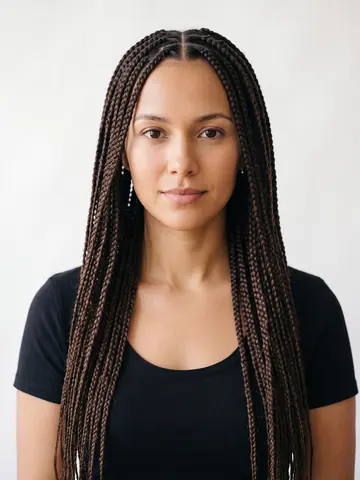 Knotless Braids
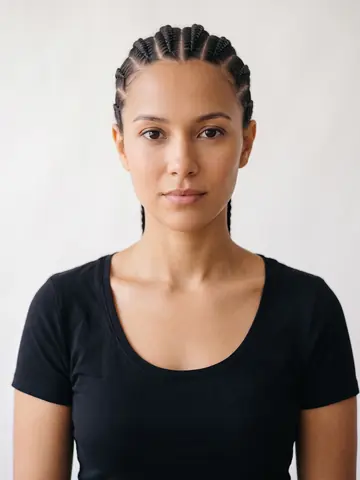 Cornrows
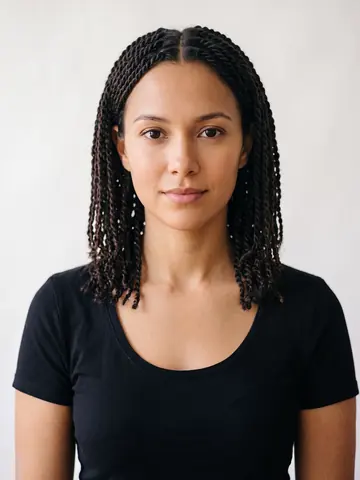 Mini Twists
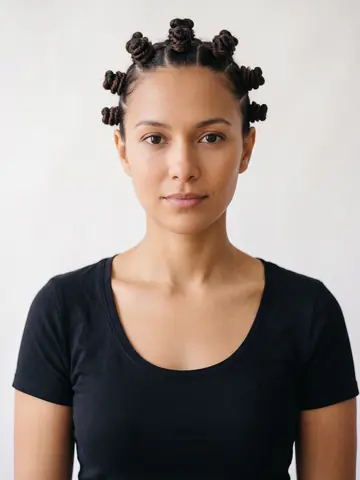 Bantu Knots
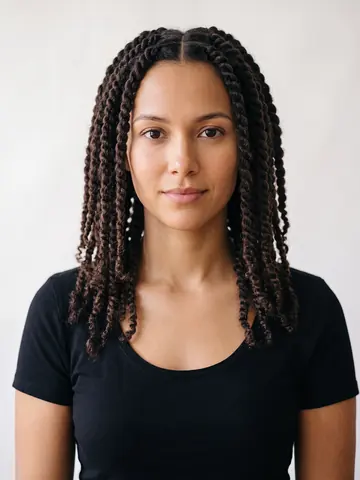 Marley Twists
Here is what actually makes a style protective, the main options within braids, twists, and locs, and how long each one typically lasts before it needs attention. Whether this is your first protective style or you are just deciding on a new size, the goal stays the same: a look you like that also gives your natural hair a genuine rest.
What makes a hairstyle protective
A protective style tucks your natural hair ends away, whether under an added extension or within a twisted or braided section, and reduces how often you touch, brush, or heat style your hair. Ends are the oldest, most fragile part of any strand, so protecting them from friction, dryness, and daily handling is the core idea behind the whole category.
Braids
Braids are the largest and most varied family of protective styles, ranging from tiny, time-intensive individual braids to large, quick-to-install sections.
Box braids are individual, square-sectioned braids, usually made with added hair for length and fullness. They range from micro to jumbo, which changes both install time and look. Our guide to box braid sizes breaks down the full range, and you can see a mid-size example on the box braids catalog page.
Knotless braids are installed without the small knot at the root that traditional braids start with, which generally means less tension right at the scalp. Our guide to small knotless braids covers this specific size and install.
Micro braids are extremely small, individual braids that take considerably longer to install than larger sizes but tend to look more natural and drape more like loose hair. See our full guide to micro braids for what to expect from the process.
Cornrows are braided flat against the scalp in neat, defined rows rather than hanging free. They work on their own or as a base underneath a wig or other protective style. See an example on the cornrows catalog page.
Goddess braids are a larger, more decorative take on cornrows, often styled with more visible partings and sometimes combined with loose braided ends. Our guide to goddess braids covers the styling options within this category.
French and Dutch braids sit a bit differently in this family, since they are usually done with your own hair rather than added extensions, and are a shorter-term style you redo more often than a full extension-based install. A French braid weaves flat against the head with the crossing strands added from underneath. A Dutch braid uses the same technique in reverse, so the braid sits raised above the surface rather than flat. A fishtail braid uses only two sections instead of three, crossing thin pieces from each side, and works well as a finishing touch for the loose ends of a larger braided or twisted style.
Jumbo box braids deserve their own mention: the larger size means fewer total braids, a noticeably faster install, and a bolder, chunkier look than the standard mid-size version most people picture when they hear "box braids."
Twists
Twists form when two strands of hair wind around each other, rather than braided over and under. They are faster to install than braids of a similar size, since a twist involves only two strands per section instead of three.
Mini and larger twists both fall in this category, and the size decision works like it does for braids: smaller twists take longer to install and look more like loose natural hair, while larger twists install faster and make more of a style statement. See an example on the mini twists catalog page.
Bantu knots are a related style, made by twisting sections of hair and then coiling them into small, tight buns against the head. Wear them as a finished style, or unravel them to create a defined twist-out pattern. Our guide to bantu knots on 4c hair covers this technique in detail.
A twist out is the wavy, defined pattern left in your natural hair after twists are installed, worn for a while, and then unraveled, giving you a curled look without any heat involved.
Larger, chunkier twist styles made with added extension hair, sometimes called Senegalese or Marley twists depending on the texture used, follow the same size tradeoff as braids: bigger sections install faster and make a bolder statement, while smaller sections take longer but move more naturally.
Braids, twists, or locs: how to choose
If you are deciding between the three families rather than a specific style within one, a few practical differences matter most.
| Factor | Braids | Twists | Locs |
|---|---|---|---|
| Typical install time | Long, especially at smaller sizes | Faster than braids at a similar size | Long for a fresh start, faster for retwists |
| How temporary | Fully removable | Fully removable | Long-term commitment (faux locs are removable) |
| Typical duration | 6 to 8 weeks | 6 to 8 weeks | Ongoing, with regular retouching |
| Best for | A defined, structured look | A softer, more natural texture | Anyone ready for a long-term style change |
None of these is strictly better than the others. The right choice depends on how long you want to commit, how much time you can spend in the chair, and how much upkeep you want between appointments.
Locs
Locs form when sections of hair are deliberately matted together into ropes over time, either allowed to happen naturally or started with a specific method. Once established, locs are a long-term style you wear short or grow out over years, rather than something removed and reinstalled every few weeks like braids or twists.
Faux locs are a temporary version, made by wrapping extension hair around your natural hair in the same rope-like shape, with no actual matting. They give you the look of locs while remaining fully removable, a good way to try the style before committing to real locs.
How long each style lasts and how to care for your scalp
Box braids, knotless braids, and locs maintenance generally fall in the 6 to 8 week range before the style needs to be taken down, redone, or refreshed at the roots. Smaller, more delicate styles like micro braids sometimes go a bit longer since they put less concentrated tension on any one section, but they also take more time to redo.
Whatever style you choose, your scalp still needs attention while it is styled. Keep it clean with a diluted shampoo or a scalp-specific cleanser, keep it moisturized with a lightweight oil or spray, and pay attention to any tightness, itching, or tenderness, early signs the style is pulling too much at your hairline or part lines.
Giving your hair a break between protective styles, rather than moving straight from one install to the next, gives your scalp time to recover. Locs work on a slightly different timeline than braids or twists. A fresh set needs regular retouching at the roots, often on a similar 6 to 8 week schedule at first, to keep new growth neatly incorporated into each loc. Once established, mature locs can stretch longer between maintenance visits, though most people still schedule periodic retwisting to keep the roots tidy and check scalp health.
Sleeping with a satin or silk scarf or pillowcase is one of the simplest ways to extend the life of any protective style, since it reduces the friction that causes frizz, loosens edges, and shortens how long a style looks fresh.
Choosing a size and style that suits you
Size is largely a matter of preference, install time, and how much upkeep you want, not one size being objectively better. Smaller braids and twists take longer in the chair but move and look more like your natural hair. Larger sizes install faster and make a bolder statement, but can feel heavier depending on your hair's density.
Face shape and hairline play a role too, the same as with any other haircut. A style with a defined part or heavier front sections adds a different visual line than one that starts further back from your hairline, worth considering alongside your face shape.
Climate and lifestyle matter as well. Swimmers and anyone who exercises daily often prefer smaller, flatter styles like cornrows since they hold up better under a swim cap or repeated sweat, while looser twists or larger braids can start to frizz or loosen faster with frequent water exposure. If you travel often or live somewhere humid, ask your stylist about a slightly firmer install than you might otherwise choose, since humidity tends to soften edges and frizz baby hairs faster than dry conditions do.
Common mistakes with protective styles
A handful of avoidable mistakes account for most of the damage people associate with protective styles, even though the styles themselves are meant to prevent it.
- Installing too tight. Pain during or right after an install is not something to push through. Tension severe enough to hurt can pull on the hair follicle and, over repeated installs, contribute to hairline thinning.
- Wearing a style far past its recommended window. Once a style is significantly past the 6 to 8 week range, new growth at the root can tangle with the braid or twist itself, making takedown harder and more damaging than it needs to be.
- Skipping scalp care because it is "hidden." A covered scalp still needs cleansing and moisture. Going weeks without any scalp care can lead to buildup, dryness, or irritation you will not notice until the style comes out.
- Going straight from one protective style into the next. Your natural hair and scalp benefit from a break between installs, even a short one, to recover and to let you check for any breakage before covering it up again.
- Choosing a size purely from a photo. The same braid or twist size looks different depending on your hair's density and length. A natural, moderate size on someone else's hair might look chunkier or sparser on yours.
Preview a protective style on your own photo
Committing to a protective style is a bigger decision than a regular haircut, since you will be wearing it for weeks. HairGlam lets you take a photo or choose one from your library, apply a style from a catalog of 299 looks, including several braid, twist, and loc options, and see it rendered onto your own photo in a few seconds. It is a low-risk way to compare a few sizes and styles side by side before you book an appointment. The app is free to download, with a couple of free try-ons before HairGlam Pro unlocks unlimited use.
See it on your own face in HairGlam

See it on your own face in three taps
- Add one selfie. Front on, even light, hair off your face. No account.
- Pick a cut, a color or a makeup look from 299 in the catalog.
- See it in seconds on your own face, then save it for your stylist.
12 free looks: 4 haircuts, 4 hair colors and 4 makeup looks. No paywall in between, no account.
Questions people ask
What makes a hairstyle protective?
How long do protective styles usually last?
Do protective styles damage your hair?
What size braids last the longest?
Read next

Micro braids: what to know before you commit to 8 hours in the chair
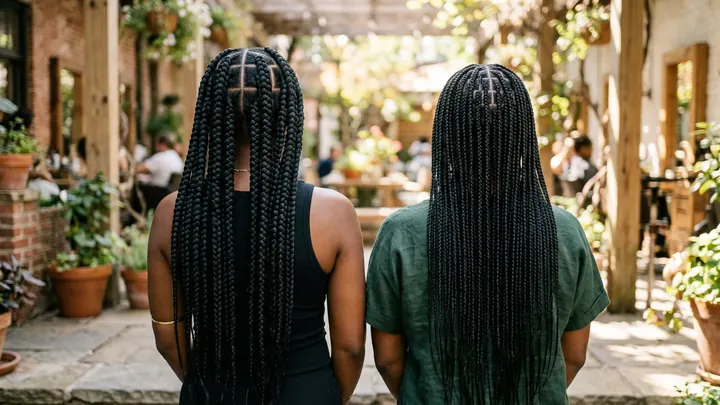
Box braid sizes compared: jumbo to small, with time and weight
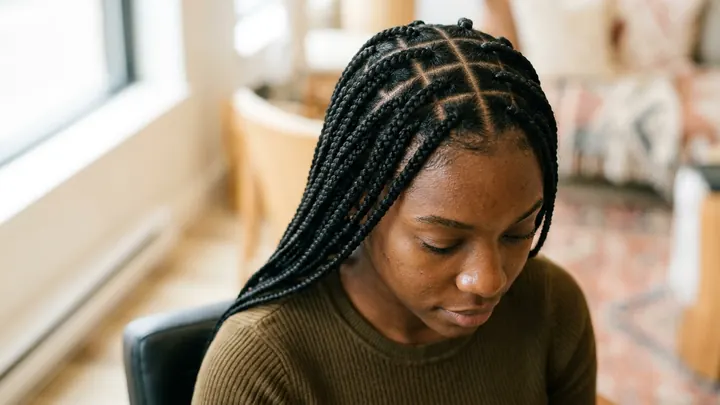
Small knotless braids: why the knotless start matters
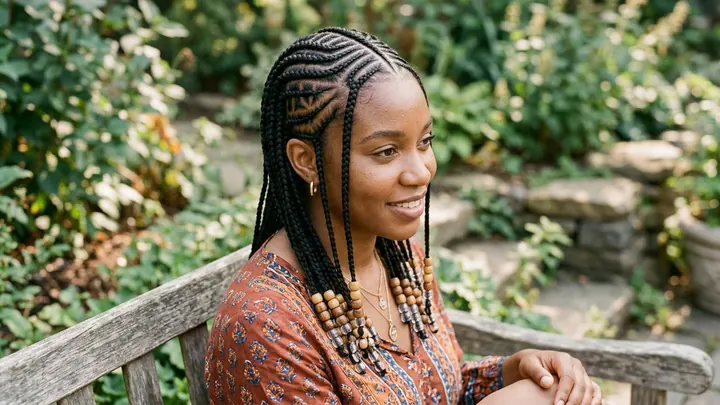
Fulani braids: the pattern, the beads, and how long they last
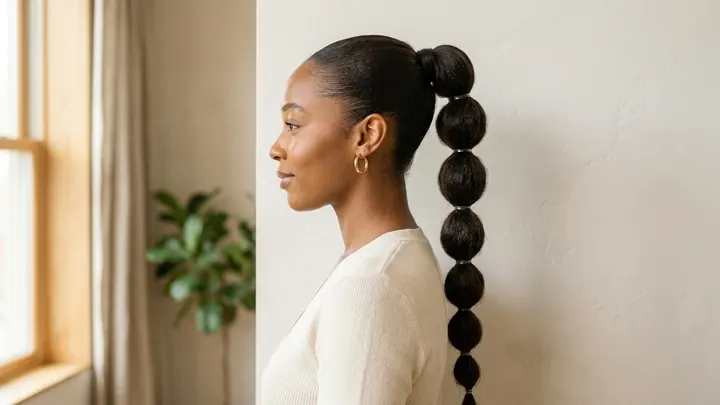
Bubble braids: the five minute style that works on any length
Printable helpers for this guide: haircut consultation checklist, face shape guide, hair color swatch planner.