

A shag haircut is heavy layering cut throughout the hair so the ends move instead of hanging in one flat line. It has been reinvented for decades, from the choppy 1970s original to the softer, more blended modern shag you see today. Here is what actually separates the versions, which length suits which hair type, and where the over 50 shag fits in.
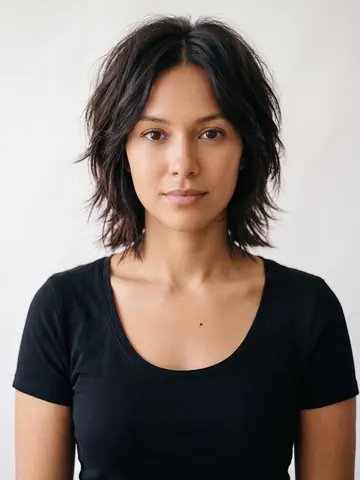 Shag Cut Short
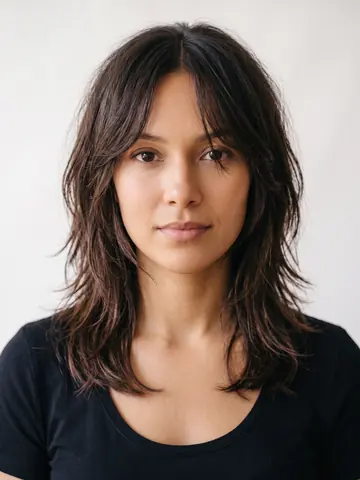 Shag Cut Mid
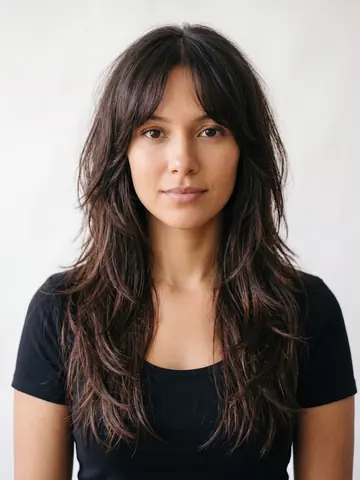 Shag Cut Long
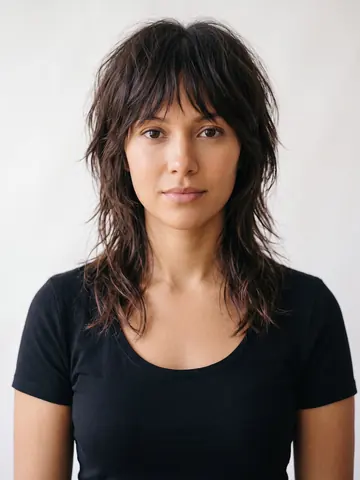 Wolf Cut Mid
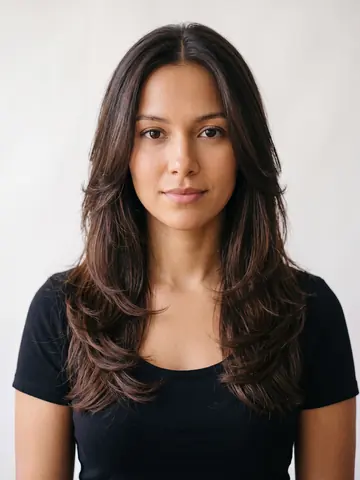 Butterfly Cut Long
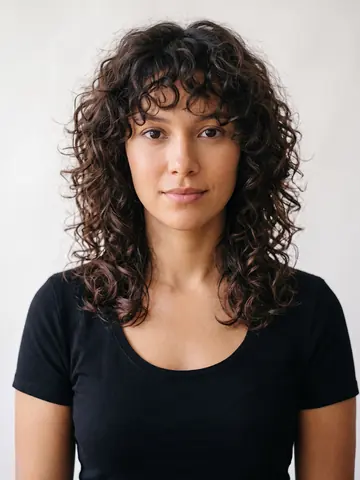 Curly Shag
1. What is a shag haircut
A shag is built from short layers on top that blend into longer layers underneath, usually finished with some kind of bangs. The result is texture and volume without much length removed overall. It reads as messy and lived in rather than sleek, which is the point: a shag is meant to look a little undone.
Because the layering is so heavy, a shag behaves differently from a layered haircut with just a few soft layers at the ends. If you are deciding between light layering and something this textured, layers or no layers walks through the tradeoffs. A shag sits at the heavily layered end of that spectrum, the opposite of a blunt cut, which keeps one solid line with no layers at all.
2. Modern shag versus 70s shag
The 1970s shag was choppy and often razor cut, with hard, separated pieces and bangs sitting heavy across the forehead. It photographed as rock and roll, a little rough around the edges on purpose.
| Version | Layers | Bangs | Overall feel |
|---|---|---|---|
| 70s shag | Choppy, razor cut, hard-separated | Blunt, straight-across, heavy | Rough-edged, retro |
| Modern shag | Heavy but blended, ends point cut | Curtain bangs, softer | Wispy, lived in |
If you want the idea of a shag without the harder retro edge, ask your stylist for a modern, blended shag rather than a classic 70s shag.
3. Short shag
A short shag sits above the shoulders, often close to chin or jaw length, with layering concentrated near the crown for lift on top. It is the easiest length to style with just fingers and a diffuser, since there is not much weight left to fight.
This length works well if you already keep your hair short and want more texture than a bob gives you. It also grows out into a mid shag without an awkward stage, since the layers are already there.
4. Mid-length shag
A mid shag falls between the collarbone and the shoulders. This is the most common shag length, since it has enough hair to show off long layers while staying short enough that the ends flip and move on their own.
Mid shags usually carry curtain bangs or wispy face-framing pieces, since there is enough length at the front to actually part and sweep. If you switch up your bangs often, this is a forgiving length to experiment on.
5. Long shag
A long shag keeps length past the collarbone but still layers heavily through the mid-lengths and ends. Done well, it avoids the flat, weighed-down look very long one-length hair can have.
Long shags need more product and more heat styling to get movement, since gravity works against the layers the longer the hair gets. A wolf cut is a close cousin: it takes the shag idea and adds a shorter, more textured crown for a bigger contrast between top and ends. For an even bigger length contrast, the butterfly cut layers short pieces on top over noticeably longer ends underneath, so it reads as two lengths rather than one graduated shape.
6. Curly shag
A curly shag leans on the curl pattern itself for texture, so the cut usually needs fewer layers than a straight version to avoid thinning the hair out too much. Curly hair also shrinks as it dries, so a stylist who cuts curl by curl, dry, gets more accurate results than one working entirely on wet, stretched hair.
7. Shag haircuts for older women
This is where a lot of the current interest in shags sits, and for good reason. Heavy layering adds visible volume at the crown and through the mid-lengths, which helps hair that has thinned with age look fuller without extra length getting in the way. A shag also softens the face by keeping movement near the cheeks and jaw instead of one hard line.
A mid-length shag with curtain bangs is a common starting point for a first shag after years of longer, one-length hair, since the length loss is moderate and the bangs can be grown out easily if you change your mind.
8. How to ask for it and keep it looking right
Bring a reference photo and be specific about the length category: short, mid, or long shag, since "shag" alone covers a wide range. Mention whether you want it choppier and more 70s or softer and more blended, and say whether you want bangs added now or left for later.
Once it is cut, a texturizing spray or a light mousse on damp hair, scrunched rather than brushed smooth, keeps the layers separated. A trim every 8 to 12 weeks keeps the shape from growing out into a plain layered cut.
See a shag on your own hair first
Layers cannot be undone once they are cut, so it is worth seeing the shape before you commit to it. Apply a short, mid, or long shag to your own photo in HairGlam and compare them side by side before your appointment.
See it on your own face in HairGlam
See it on your own face in three taps
- Add one selfie. Front on, even light, hair off your face. No account.
- Pick a cut, a color or a makeup look from 299 in the catalog.
- See it in seconds on your own face, then save it for your stylist.
12 free looks: 4 haircuts, 4 hair colors and 4 makeup looks. No paywall in between, no account.
Questions people ask
What is the difference between a shag and a butterfly cut?
Does a shag haircut need thick hair?
Is a shag haircut low maintenance?
Can a shag haircut work on curly hair?
Read next
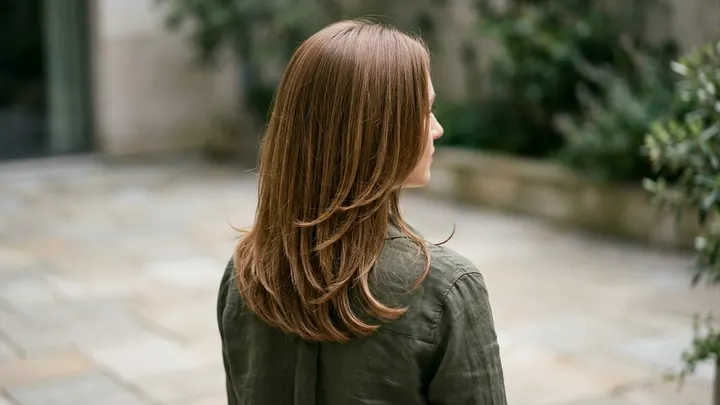
Types of layered haircuts: 14 kinds and what each does

Blunt cut hair: who it suits and how to ask for it
Layers or no layers? How to decide for your hair type

Middle part hairstyles: who suits a center part and how to switch

Bixie haircut: the bob and pixie hybrid, explained